Designing a brand that stands out and resonates with its target audience is essential for businesses looking to establish a strong presence in the market. Brand design encompasses a variety of elements, from logos and color schemes to messaging and overall identity. A well-designed brand communicates a company’s values, differentiates it from competitors, and creates a lasting impression on consumers. In this article, we will explore what brand design is, why it is important, how it relates to user experience (UX) design, and the best practices for creating a successful brand.
What is Brand Design?
Brand design refers to the creation of a cohesive and visually appealing identity for a company or product. It involves the development of various elements that collectively represent the brand's personality and values. Key components of brand design include:
- Logo: A symbol or graphic representation of the brand that is easily recognizable and memorable.
- Color Scheme: A set of colors used consistently across all brand materials to evoke specific emotions and associations.
- Typography: The selection of fonts and typefaces that align with the brand's personality and enhance readability.
- Imagery: The style and type of images used to convey the brand's message and connect with the audience.
- Messaging: The tone of voice and language used in communications to express the brand's values and engage the audience.
Why is Brand Design Important?
1. Establishes Brand Identity
Brand design is the foundation of a brand's identity, allowing it to express its unique personality and values. A well-defined brand identity helps businesses stand out in a crowded market and become instantly recognizable to consumers. By creating a strong identity, companies can build trust and foster loyalty among their target audience.
2. Builds Brand Recognition
Consistency in brand design across all touchpoints—from packaging and advertising to digital presence—enhances brand recognition. When consumers encounter consistent visual elements, they are more likely to remember and associate them with the brand. This familiarity builds brand equity and encourages repeat interactions.
3. Differentiates from Competitors
In today's competitive landscape, having a distinctive brand design is crucial for differentiation. A unique brand identity sets a company apart from competitors, highlighting its value proposition and attracting the right audience. A memorable brand design can also create a strong emotional connection with consumers, fostering brand loyalty.
4. Influences Consumer Perception
Brand design plays a significant role in shaping consumer perceptions and expectations. The visual elements and messaging of a brand can evoke emotions and create associations, influencing how consumers perceive the brand. Positive perceptions can lead to increased trust, preference, and advocacy.
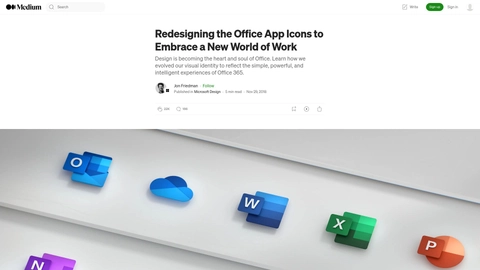 Redesigning the Office App Icons to Embrace a New World of Work Case study Microsoft
  Miro, for modern-day pioneers Case study Vruchtvlees Digital
 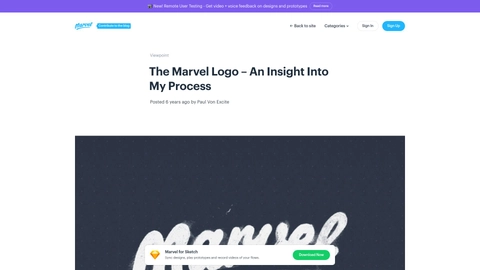 The Marvel Logo – An Insight Into My Process Case study Marvel
 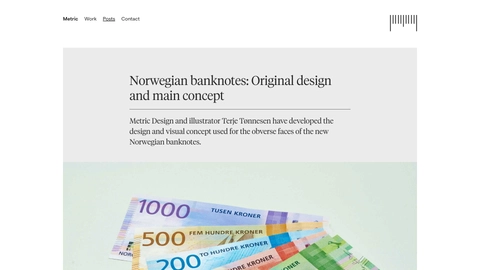 Norwegian banknotes: Original design and main concept Case study Metric Design
 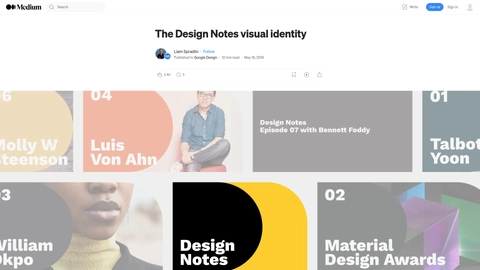 The Design Notes visual identity Case study Google
 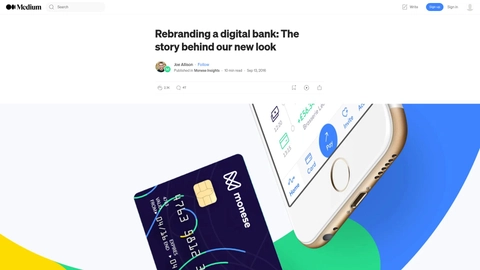 Rebranding a digital bank: The story behind our new look Case study Monese
 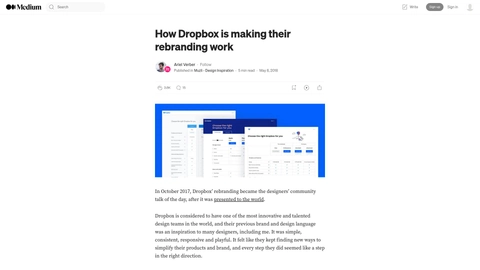 How Dropbox is making their rebranding work Case study Muzli
 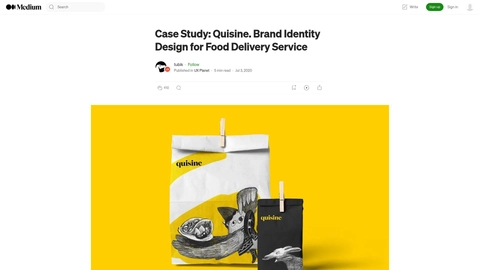 Quisine. Brand Identity Design for Food Delivery Service Case study Tubik
 See the full UX case study gallery.