|
| ||||||||||
| ||||||||||
|
| ||||||||||
Case Study Club | ||||||||||
|
The weekly read for designers who shape products.
| ||||||||||
|
| ||||||||||
| ||||||||||
Something to use on Monday | ||||||||||
|
In the last issue I asked if you'd want a cohort where we build a prototyping tool on your own design system. About 15 of you said yes. Thank you. | ||||||||||
|
But talking with designers, I've found that most aren't there at all yet. | ||||||||||
|
About five months ago I gave the designers at one of Norway's biggest consultancies an intro on how to ship with AI. It was too abstract. Nothing they could use on a client project on Monday. Two weeks ago I went back with a hands-on workshop to fix that. | ||||||||||
|
We worked on a real case: data.norge.no and Digdir's design system. Both are open source, so it's fine to use AI on them. Part one went from code to canvas: pull components, tokens and states from the code into Figma, find where design and product don't match, and use AI to find what's missing. Part two taught the agent the design system, so the quality holds all the way into the product. | ||||||||||
|
The designers came with very different rules from their clients. One got to use Claude for a few weeks, then lost it because it wasn't security cleared. One was told to use Claude Code to speed things up, but doesn't want to step on the developers' toes. One has a license, but doesn't know what they're allowed to put in it. One isn't really allowed to use AI at all. | ||||||||||
|
A new NN/g survey says over 99% of UX people have AI at work. The most used tools are chatbots, like Copilot. That is a different story. Only 12% can use any tool they choose. | ||||||||||
|
When you master designing in Figma, the road to pushing to production is very short. | ||||||||||
|
So I'm running a cohort of four 90-minute sessions over the span of four weeks. It's an improved version of that workshop, on your own design system or one I supply. We start on 11 January. | ||||||||||
| ||||||||||
|
| ||||||||||
| ||||||||||
|
The Figma agent now works in FigJam and Slides, on all paid plans: it sorts sticky notes into themes, drafts journey maps and estimates a talk's runtime from the speaker notes. figma.com | ||||||||||
|
| ||||||||||
|
Base Design gave Visa a standalone V and Visa Sans, drawn with Displaay Type Foundry in six weights and 115 languages. It's Nice That | ||||||||||
|
| ||||||||||
|
Tátil Design redrew Caixa, Brazil's fourth largest bank, for the first time in almost three decades. Creative Review | ||||||||||
|
| ||||||||||
|
KitKat Vietnam's Kit=Code is a prompt for Claude or Codex that counts the equals signs in your code and tells you to take a break. Creative Review | ||||||||||
|
| ||||||||||
|
Claire Vo tested six AI models on 25 tasks, scored blind. Gemini 4 Neon won. Lenny's Newsletter | ||||||||||
| ||||||||||
|
| ||||||||||
| ||||||||||
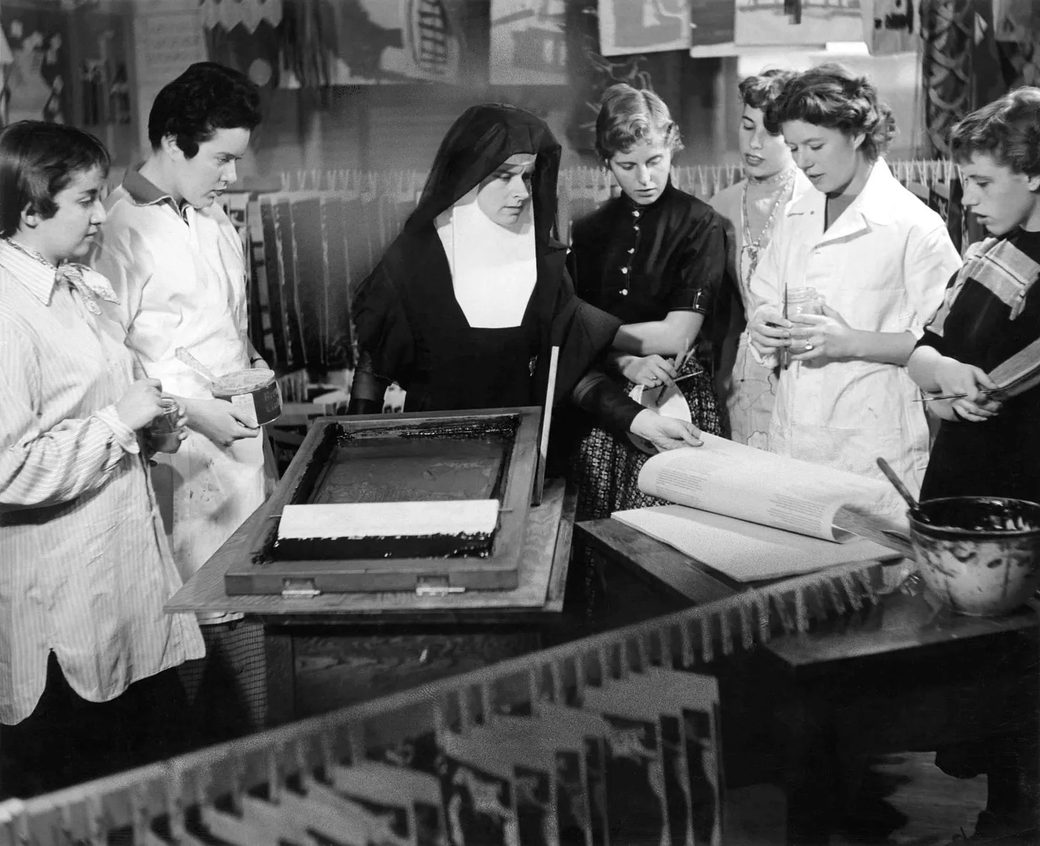
designobserver.com Corita Art Center
| ||||||||||
Corita Kent, the pop art nun | ||||||||||
|
In the 1960s, Sister Mary Corita Kent ran the art department at Immaculate Heart College in Los Angeles. She made screenprints from ad slogans, grocery signs, poetry and the week's news: Vietnam, civil rights, the murder of Robert Kennedy. | ||||||||||
|
She gave her students a day to make 100 drawings. Her rule for the rest of it: "you do everything as well as you can." | ||||||||||
|
Ellen McGirt wrote about her for Design Observer, and the prints are in the Corita Art Center's online collection. | ||||||||||
|
| ||||||||||
| ||||||||||
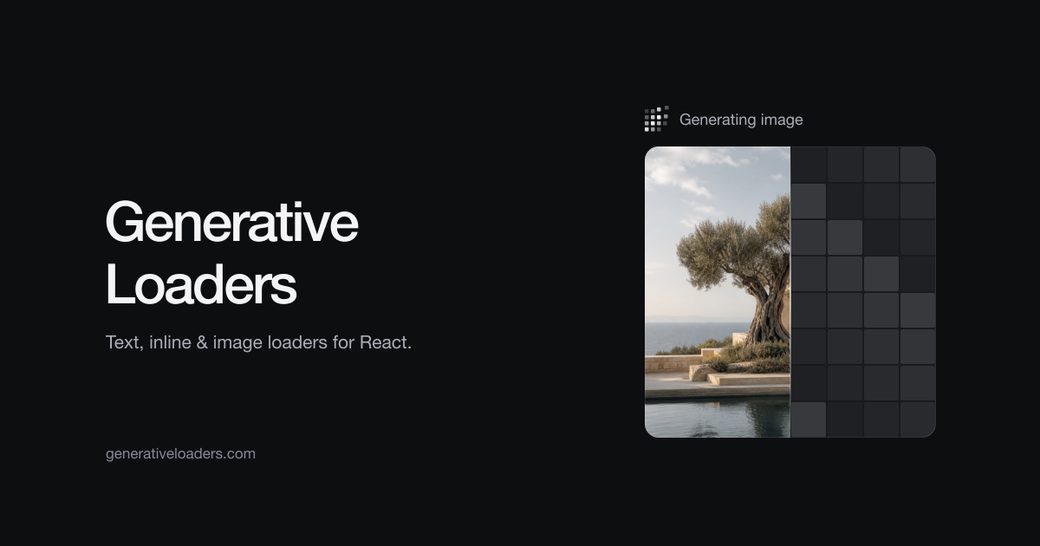
generativeloaders.com React library
| ||||||||||
Generative Loaders | ||||||||||
|
Generative Loaders is a React library of loading states for AI products, made by Kasturi Khanke. There are 46 of them: 16 for text, 18 inline and 12 for images, with names like Decode, Typewriter, Redact and Dissolve. | ||||||||||
|
They show the user that something is being made, and they install with npm install generative-loaders. | ||||||||||
|
| ||||||||||
|
Written and edited by Jan Haaland. Published weekly from Norway. | ||||||||||
|
Forwarding this to one person is the best way to support Case Study Club. If someone comes to mind, please send it their way. | ||||||||||
| ||||||||||
|
|