|
| ||||||||||
| ||||||||||
|
| ||||||||||
Case Study Club | ||||||||||
|
The weekly read for designers who shape products.
| ||||||||||
|
| ||||||||||
| ||||||||||
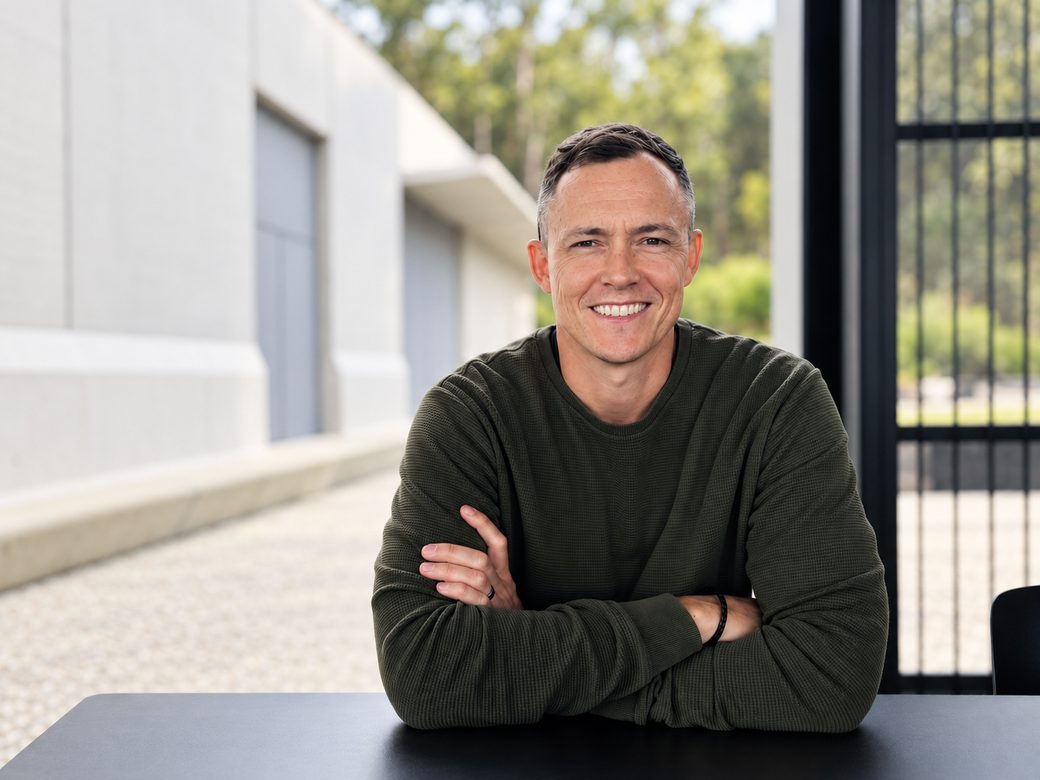
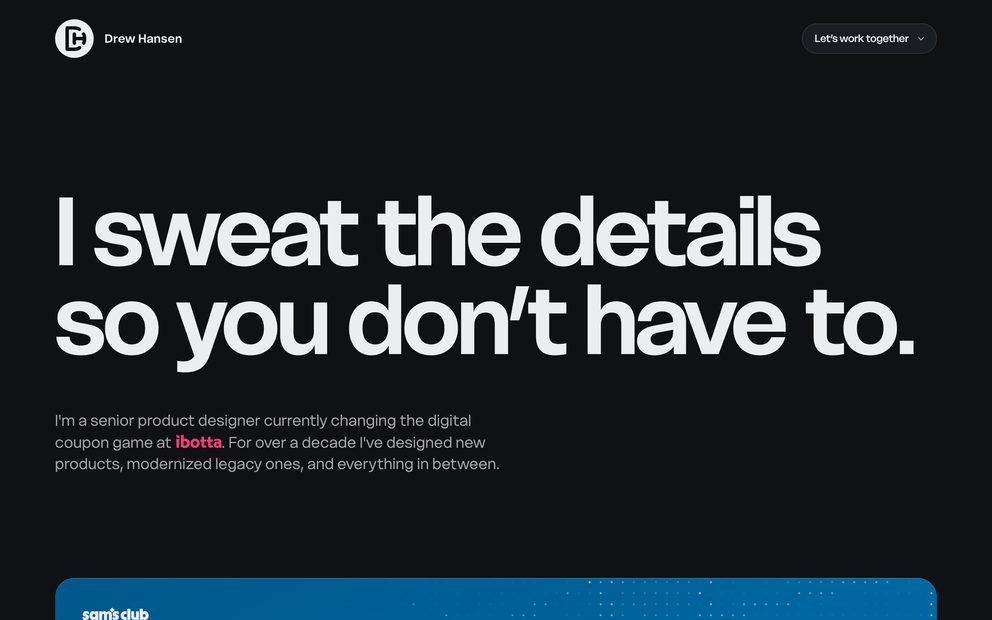
casestudy.club Buzz Usborne, Help Scout
| ||||||||||
Peel the mushroom | ||||||||||
|
Buzz Usborne has spent 22 years in design and is Principal Designer at Help Scout. This year he rebuilt Help Scout's design system so AI could read it, and wrote the process up in Designing with AI. We called him to dive into the details. The call was booked for 30 minutes and ran for an hour. He says the industry is in the messy middle, where everything looks like failure, and he is fine there as long as everyone admits it. Here is what he thinks will still set a product apart when anyone can build one over a weekend. | ||||||||||
|
If everyone ships that fast, won't users notice the difference, and leave for whoever actually cares? | ||||||||||
|
I had a conversation with a big company a few weeks ago, and they said something that's been on my mind since: the biggest competitor to anyone's product is your customers vibe-coding it over the weekend. Completely replacing what you do with their own bespoke version. | ||||||||||
|
I think the differentiator to products worth choosing is going to be the accumulated decisions behind it. The coherence of the experience, the trust you've built, the tactility, the personality. And importantly, all the things you've deliberately chosen not to do. Great design is as much about what you leave out as what you put in. That's much harder to replicate, and I think that's where differentiation will come from. | ||||||||||
|
One of the defining videos I've watched this year was Jony Ive talking to Patrick Collison at Stripe. He said people don't really recognise good design versus average, but they can feel it. When you use something you feel was created for you, you build an affinity for that product. That's what we felt 10, 15 years ago, when I used to work for these indie companies that had a cult following. Think Big Cartel, or Campaign Monitor and Mailchimp. People lived and breathed those brands because they could feel the care and attention that had gone into them. I think that's coming back. | ||||||||||
|
I've become lowkey obsessed with Unreasonable Hospitality by Will Guidara, whose philosophy of hospitality also influenced The Bear. There's a scene where a chef at a Michelin-starred restaurant is painstakingly peeling mushrooms. Someone questions why she'd bother since there's no practical benefit to it. But she explains that when someone notices that level of care, they know somebody has gone out of their way for them. | ||||||||||
|
I love that. It's such a simple expression of what great design should feel like. | ||||||||||
|
That's what we're doing here. We're trying to connect to people through the screen, and we don't do that by throwing stuff at them and showing them more. There's more content being produced by AI than ever before. I'm not sure whether the images I look at are real anymore, or if the news is real, or if a phone call is real. So I want to feel something. That's the side of history I want to be on: creating meaningful human connections instead of just proliferating more. | ||||||||||
|
The full conversation covers the two paths companies are taking with AI, who gets to build now that anyone can, the old wooden desk he uses to tell AI how Help Scout should feel, and why he still sketches on paper first. Read it at casestudy.club/buzz-usborne-interview. | ||||||||||
|
| ||||||||||
| ||||||||||
|
Figma fine-tuned its own model for small edits on the canvas, and an early version trained on more than 250,000 examples kept up with the top models of the time. figma.com | ||||||||||
|
| ||||||||||
|
Everyone in Reddit's UX and product org uses Reddit Proto, an in-house prototyping tool wired to its design system, and more than 700 prototypes are live on it. Lenny's Newsletter | ||||||||||
|
| ||||||||||
|
Nielsen Norman Group's Raluca Budiu argues for dropping the "user" from user experience, now that agents act on people's behalf. Nielsen Norman Group | ||||||||||
|
| ||||||||||
|
Logo.dev launched an MCP server, so agents can look up a brand's logo by domain, ticker or name. logo.dev | ||||||||||
|
| ||||||||||
|
Niklas Roy built a working clock from trash he found in Glashütte during a residency at NOMOS; it runs for about half an hour. niklasroy.com | ||||||||||
| ||||||||||
|
| ||||||||||
| ||||||||||
archive.org Internet Archive
| ||||||||||
Vintage artificial intelligence | ||||||||||
|
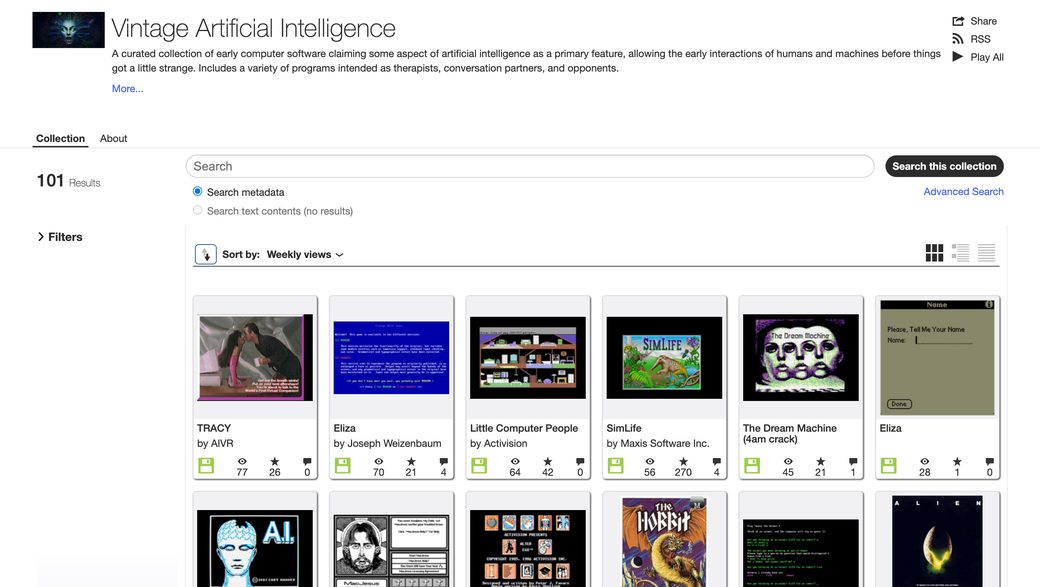
Vintage Artificial Intelligence is a collection at the Internet Archive: 101 programs from the early decades of home computing that sold artificial intelligence as their main feature. Many are therapists, conversation partners or opponents. | ||||||||||
|
There are many versions of Eliza, Activision's Little Computer People and Dr. Spoc: Computer Psychiatrist, a shareware program from 1994. Its own description: "This one is no Eliza!" | ||||||||||
|
| ||||||||||
| ||||||||||
hairline.lucasmarkes.com Lucas Marques
| ||||||||||
Hairline | ||||||||||
|
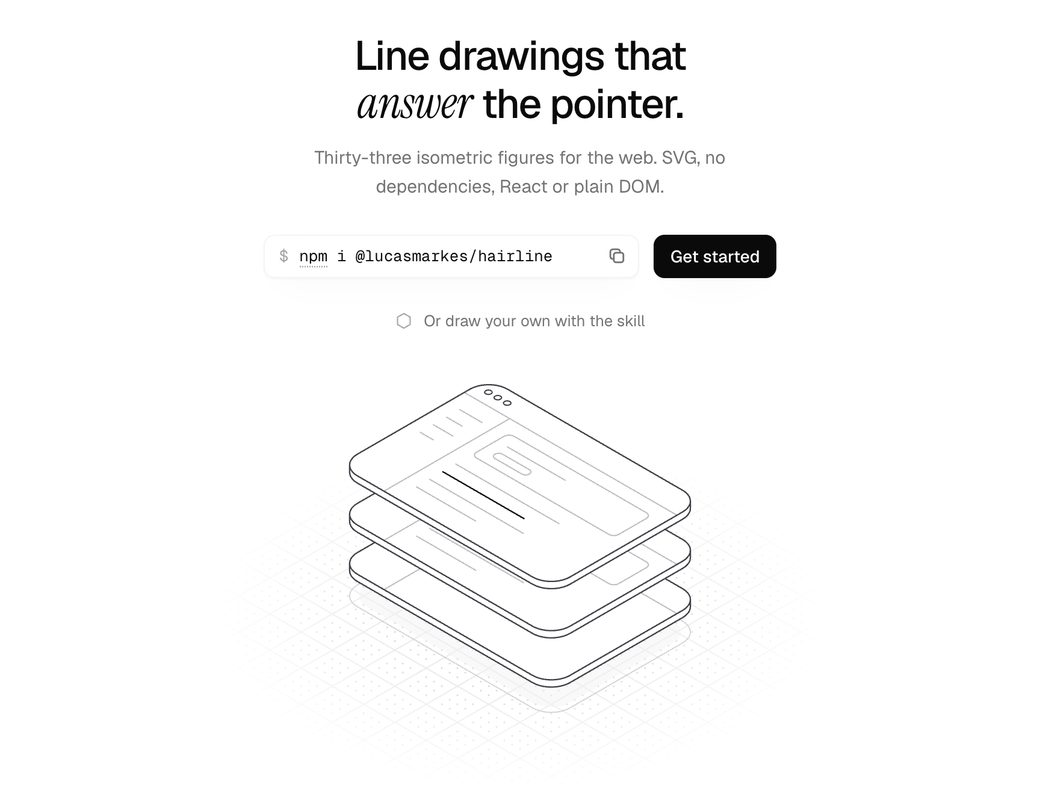
Hairline by Lucas Marques is a set of 33 isometric line drawings for the web that turn to follow your pointer. They are plain SVG with no dependencies, for React or the plain DOM, installed with npm and MIT licensed. | ||||||||||
|
The site also has a skill for drawing your own figures in the same style. A quiet way to give an empty state or a docs page some life. | ||||||||||
|
| ||||||||||
|
Written and edited by Jan Haaland. Published weekly from Norway. | ||||||||||
|
Forwarding this to one person is the best way to support Case Study Club. If someone comes to mind, please send it their way. | ||||||||||
| ||||||||||
|
|